Nigeria's massive population of over 200 million people presents a vast market for high-quality, purified drinking water. The demand spans from sachet water (popularly known as 'pure water') to premium bottled water. Establishing a Mineral Water Plant in Nigeria offers substantial returns on investment if you properly plan for regulatory compliance, power backup, and top-tier filtration technology.
1. Navigating NAFDAC Registration
The National Agency for Food and Drug Administration and Control (NAFDAC) regulates the production and sale of all beverages in Nigeria. Operating without NAFDAC approval is illegal and can lead to severe penalties. Key NAFDAC requirements include:
- A clean, well-spaced building with distinct rooms for raw materials, production, packaging, and laboratory analysis.
- Pest control plans and medical certificates for all factory operators.
- Strict adherence to Good Manufacturing Practices (GMP) and a functional internal QA laboratory.
2. Overcoming Power Infrastructure Challenges
Reliable electricity is a key challenge for manufacturing in Nigeria. To prevent production downtimes, a successful water plant must integrate dual-power solutions, combining standard grid connection with industrial diesel generators and voltage stabilizers to protect advanced electronic PLCs on your bottling lines.
3. Selecting the Right Purification Layout
Raw water in Nigeria, depending on the region (such as Lagos, Abuja, or Port Harcourt), often contains varying levels of iron, salinity, and microbial loads. Your treatment scheme must include:
- Iron Removal Filters: Essential if your borewell water has a high iron content.
- Activated Carbon Filters: Removes organic matter, colors, and odors.
- Reverse Osmosis (RO): The primary purification barrier that filters out dissolved solids and salts.
- Ozonation: Adds active oxygen to the water, giving it a fresh taste and ensuring a long shelf life in the bottles.
4. Scaling with Automation
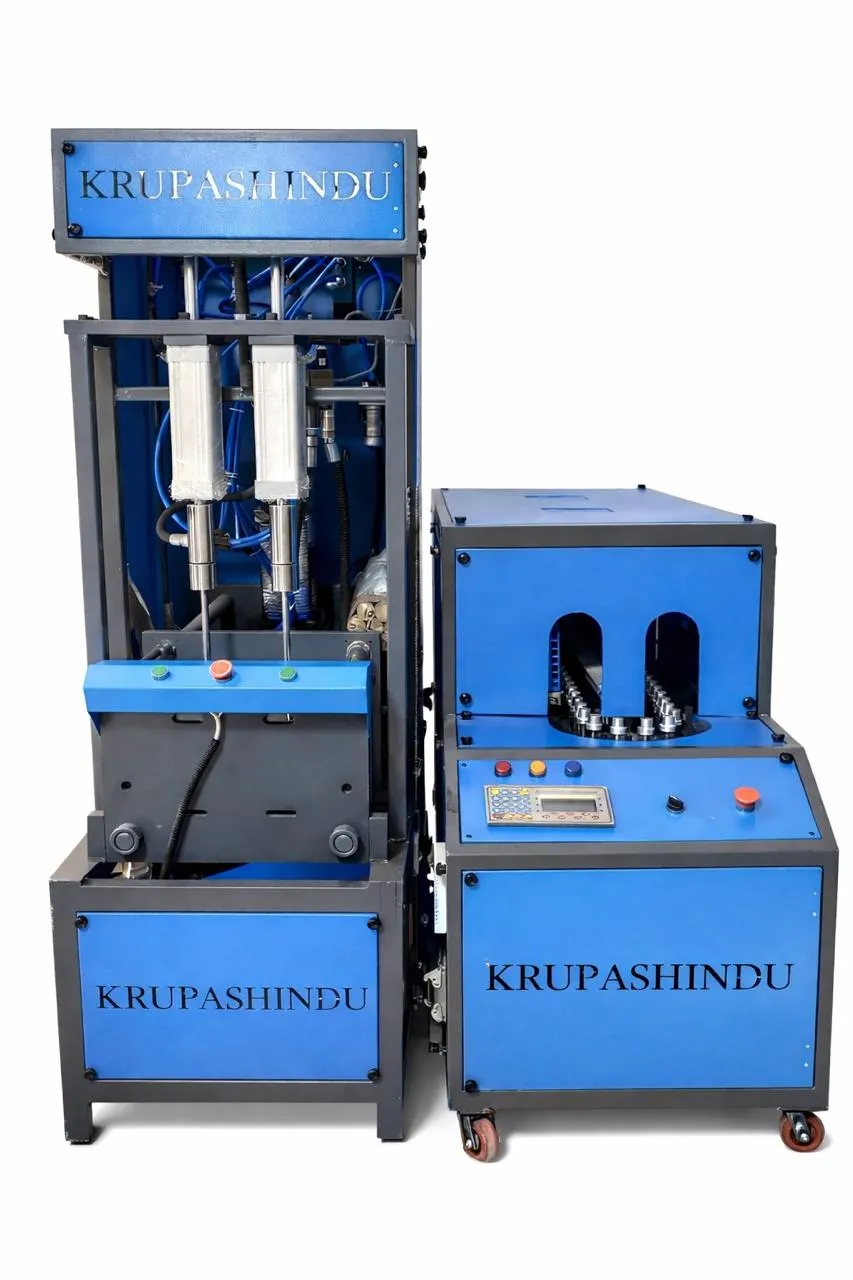
To capture the market in Lagos, Abuja, and other states, high-speed automated production is necessary. Fully automatic monoblock washing, filling, capping machines and BOPP labeling machines ensure you can package thousands of bottles per hour, meeting retail demand efficiently while keeping labor costs minimal.
Krupashindu offers customized technical solutions and robust machinery designed to perform under Nigeria's local industrial conditions. Reach out to our engineering consultants to build your customized Mineral Water Plant in Nigeria.