The demand for clean, safe, and high-quality drinking water in East Africa is experiencing exponential growth, making a Mineral Water Plant in Kenya one of the most lucrative manufacturing opportunities today. Rapid urbanization, increasing health consciousness, and growth in the tourism and hospitality sectors have created a booming market for bottled water. Here is a roadmap to setting up a successful mineral water bottling venture in Kenya.
1. Understanding the Market and Location Selection
Kenya's major cities—Nairobi, Mombasa, Kisumu, and Nakuru—are high-consumption hubs. Choosing a location close to these commercial centers reduces your transport and logistics costs. Additionally, you must evaluate the source of your raw water, whether municipal water, borewells, or natural springs, as this directly affects the filtration steps your plant will require.
2. Regulatory Approvals: KEBS and NEMA
Compliance is critical when running a food and beverage business in Kenya. You must secure:
- KEBS Certification: The Kenya Bureau of Standards (KEBS) enforces strict standardization. Your water must comply with KS EAS 12 (for packaged drinking water) or KS EAS 153 (for packaged natural mineral water).
- NEMA Approval: The National Environment Management Authority (NEMA) requires an Environmental Impact Assessment (EIA) to ensure waste discharge and plastic disposal comply with environmental regulations.
- County Licensing: Unified business permits and health certifications for your staff from county health inspectors.
3. Core Purification and Bottling Equipment
To produce water that complies with KEBS, your manufacturing facility should have:
- Reverse Osmosis (RO) Purification: Eliminates dissolved chemical impurities, heavy metals, and regulates the TDS level.
- Ozonation and UV Disinfection: Safeguards your product by ensuring it is completely free from harmful bacteria, pathogens, and viruses.
- Automatic RFC (Rinsing, Filling, Capping) Monoblock: Minimizes human contact to maintain absolute hygiene.
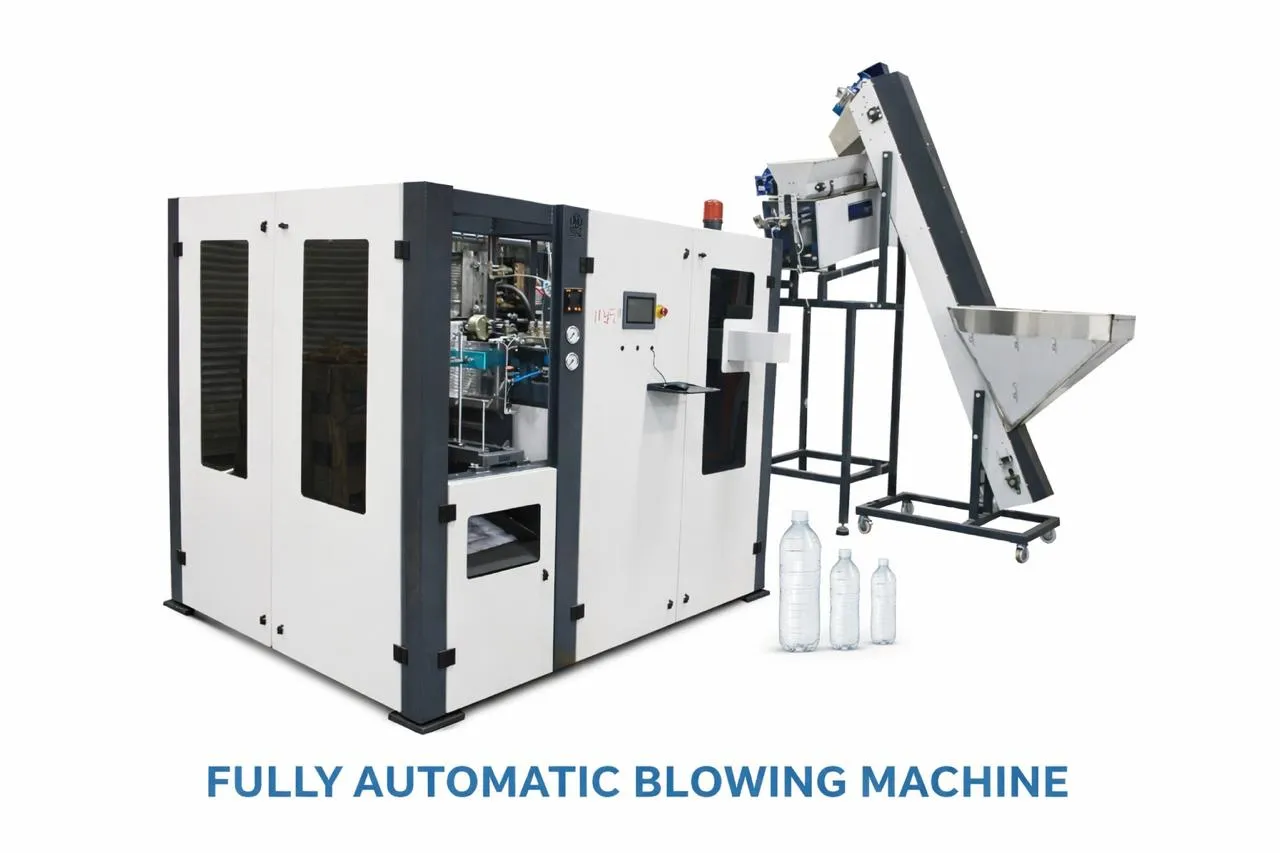
- PET Blow Molding Machine: In-house bottle blowing dramatically reduces packaging production costs.
4. Working with a Turnkey Engineering Partner
Building a plant piece-by-piece can result in synchronization errors, delayed launches, and high maintenance costs. Partnering with a turnkey consulting engineer like Krupashindu ensures you receive customized layouts, optimized piping, reliable technical support, and assistance with standard operating procedures from day one.
At Krupashindu, we supply advanced turnkey equipment designed to match the regulatory and water conditions of the East African market. Contact our technical experts to discuss your feasibility report for setting up a Mineral Water Plant in Kenya.