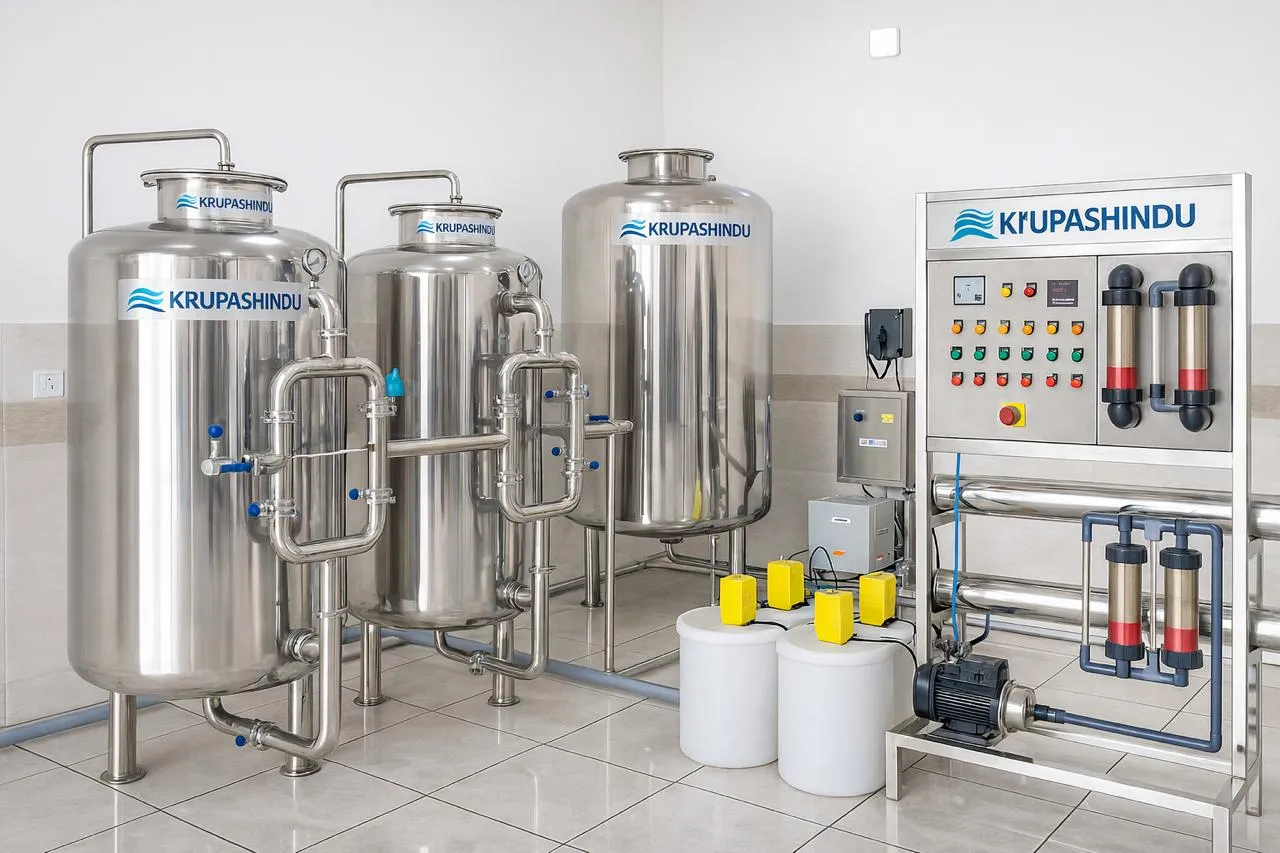
Reverse Osmosis (RO) membranes are the most critical component in any water processing plant, responsible for rejecting dissolved salts and microscopic impurities. Over time, these membranes naturally accumulate scale (mineral deposits), organic fouling, and biofouling. If left unaddressed, this leads to higher pressure requirements, decreased water production, and poor permeate quality. Learning how to clean an RO membrane chemically is essential for maintaining plant efficiency.
1. Recognizing the Need for Chemical Cleaning
You should initiate a Clean-in-Place (CIP) procedure when you observe any of the following: a 10-15% decrease in normalized permeate flow, a 10-15% increase in normalized pressure drop (feed pressure minus concentrate pressure), or a noticeable decrease in salt rejection (higher TDS in the product water).
2. Types of RO Chemical Cleaners
Effective RO cleaning generally requires a two-step approach using different specialized chemicals:
- Low pH Cleaners (Acidic): Designed to remove inorganic scale such as calcium carbonate, iron, and barium sulfate. Common chemicals used include citric acid or proprietary acidic cleaners (pH around 2.0).
- High pH Cleaners (Alkaline): Designed to remove organic fouling, biological slime, and silica. These cleaners utilize surfactants and chelating agents (pH around 11-12).
3. The Step-by-Step CIP Process
- Preparation: Mix the RO cleaning chemicals with RO permeate water in the CIP tank according to the manufacturer's recommended concentration. Heat the solution to the optimal temperature (usually between 30°C to 40°C) to enhance cleaning efficacy.
- Low-Flow Pumping: Circulate the cleaning solution through the RO vessels at a low flow rate and low pressure to gently displace the feed water without pushing foulants deeper into the membrane pores.
- Soaking: Stop the pump and allow the membranes to soak in the chemical solution. A typical soak time is 1 to 15 hours, depending on the severity of the fouling.
- High-Flow Recirculation: Resume pumping at a high flow rate to physically scour the dislodged foulants off the membrane surface and flush them out of the system.
- Flushing: Thoroughly flush the system with clean RO permeate water until the pH of the concentrate matches the pH of the feed water, indicating all chemicals have been removed.
4. Safety and Precautions
Always review the membrane manufacturer's guidelines regarding pH and temperature limits to avoid irreversibly damaging the polyamide layer of the membrane. Handle all RO cleaning chemicals with appropriate Personal Protective Equipment (PPE).
Implementing a routine chemical cleaning schedule extends the life of your membranes and reduces energy costs. At Krupashindu, our Industrial RO Plants come equipped with automated CIP systems, taking the guesswork out of membrane maintenance.